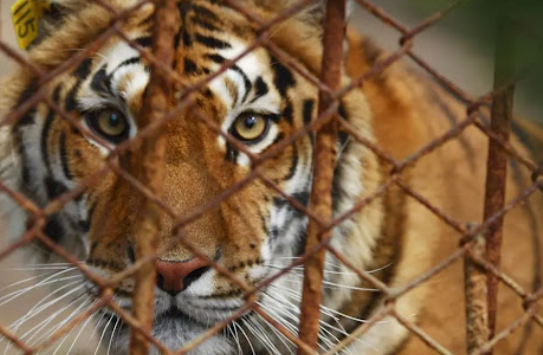
Animals can be found in captivity all over the world. All animals are unique and different from each other. Some animals are born in the wild and don’t know anything else, while others have been taken from the outside world and put into captivity. Captivity for animals can change how the they act. They lose their sense of their normal behavior. This is an issue in the modern world, though perhaps it presents some benefits.
“I think they’re supposed to be in the wild and kept there, and to prevent more captivity happening, I think we should have sick and captive born animals in captivity, instead of healthy, non captive born animals being in cages,” sophomore Hadley Leavitt says.
Animals have been held in captivity all the way back to 15,000 BCE. At the time that was mostly dogs for hunting. Then around 10,000 years ago, farm animals started being held in captivity. The most talked about are tropical and rare animals that get taken away from their normal habitat and put in either circuses, zoos or shows.
For animals, captivity impacts them in many ways such as, chronic stress, anxiety, and general psychological issues that make them behave differently than they normally would in nature. Not only does the animal’s brain get affected by the overwhelming conditions, their immune systems get weak and their normal weight can differ because of the massive stress that is hung upon them. This can cause even worse issues, such as death.
People don’t have the knowledge about how the animals are supposed to behave. This causes major issues for campaigns, funds, and others that are trying to get the word out about animals that are put into captivity.
Even with animals getting forced into captivity, there are also animals that are born within the bars. Those animals don’t have experience in the outside world. They wouldn’t survive long enough if they were to be sent out in nature because of lack of experience and natural resources.
Captivity can be both good and bad in different fonts, but in general, animals should be respected in their homes and set free when necessary!