Luxury products have always chased their own image, doing anything necessary to be perceived as such. While the traditional, obvious solutions: marketing, premium materials, and a better buying experience will always be used and do help their image, the most important method for luxury brands is perceived scarcity. No matter the quality the consumer will never be willing to pay as much if the product is readily available.
In the early 20th century Burberry developed their check pattern and patented it, it was known for subtlety, being used in the lining of both end jackets and coats, it was heavily sought after and desirable; however in the late 1900s a Burberry store released a line of affordable accessories covered in the Burberry check pattern. These accessories, especially bags, became incredibly popular and slowly became cheaper and cheaper.
What once was a status symbol slowly became more and more popular, and more available, the Burberry check pattern became trashy and a sign of “fake wealth”, over the past 30 years Burberry has discontinued those items and regained its reputation as a luxury brand for those of high status.
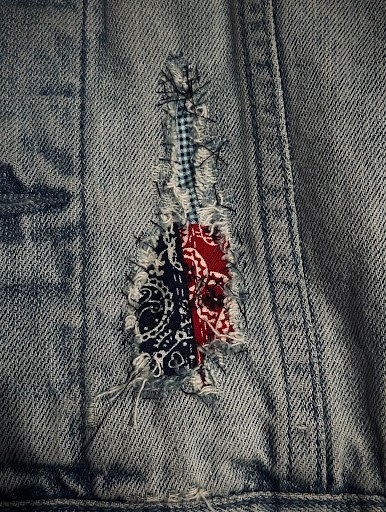
Despite that recovery, Burberry is an example that shows us what matters is not quality, but having something no one else has. There are billions of articles of clothing in the world that will be sent to landfills, and more than enough clothing has already been produced for our generation. The time spent on social media finding new clothes or fashion styles can be spent in different ways. If what we really want is something no one else has then the easiest way to do that is to make our own clothes, and the cheapest ways to get materials is to use old clothing.