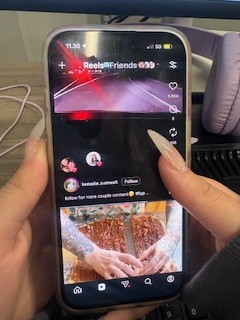
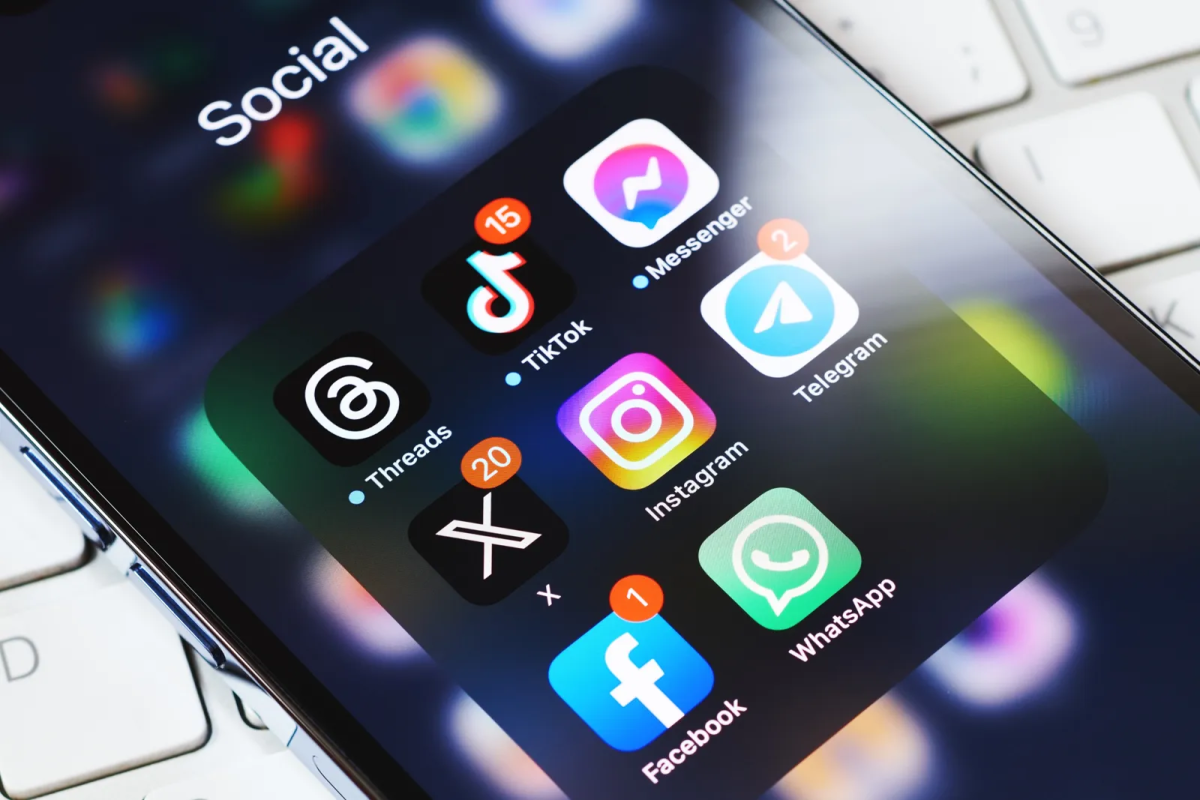
In this day and age, almost everyone has a cellphone, which can be very useful. Advanced technology helps people keep in touch, find information, etc. But it also has its downsides. A big problem with cellphones and other electronic devices being so readily available is the increased amount of screen time.
According to the American Academy of Pediatrics, from 2015-2021 people ages 13-18 averaged 8 hours and 39 minutes of screen time per day.
Social media is the leading cause of this. Apps like Instagram, TikTok, and YouTube can become very addictive, making people spend more and more time on electronics.
Although social media is the most used, many other types of media contribute excessive screen time. These can include video games, streaming platforms, and many more.
Restrictions and regulations have been put in place in an attempt to mediate screen time. Most devices have an option to add time limits but many people choose not to set those up.
“I do not have any limits on my screen time.” said senior Bridger Curtis.
The new phone law also has the potential to limit screen time, but many students choose not to follow it.
High screen times don’t seem like a big deal, but it has the potential to get out of hand and lead to addiction. This can affect one’s mental health, social life, and attention span.
Even though teens and adults are the main focus when talking about this subject, young children are also being affected. Early childhood is a crucial time for a child’s development. They need physical and educational play to properly develop. There are educational apps and games on devices, but children should not be spending excessive amounts of time on screens.
In short, trying to cut down on screen time could have many benefits and improve your life.